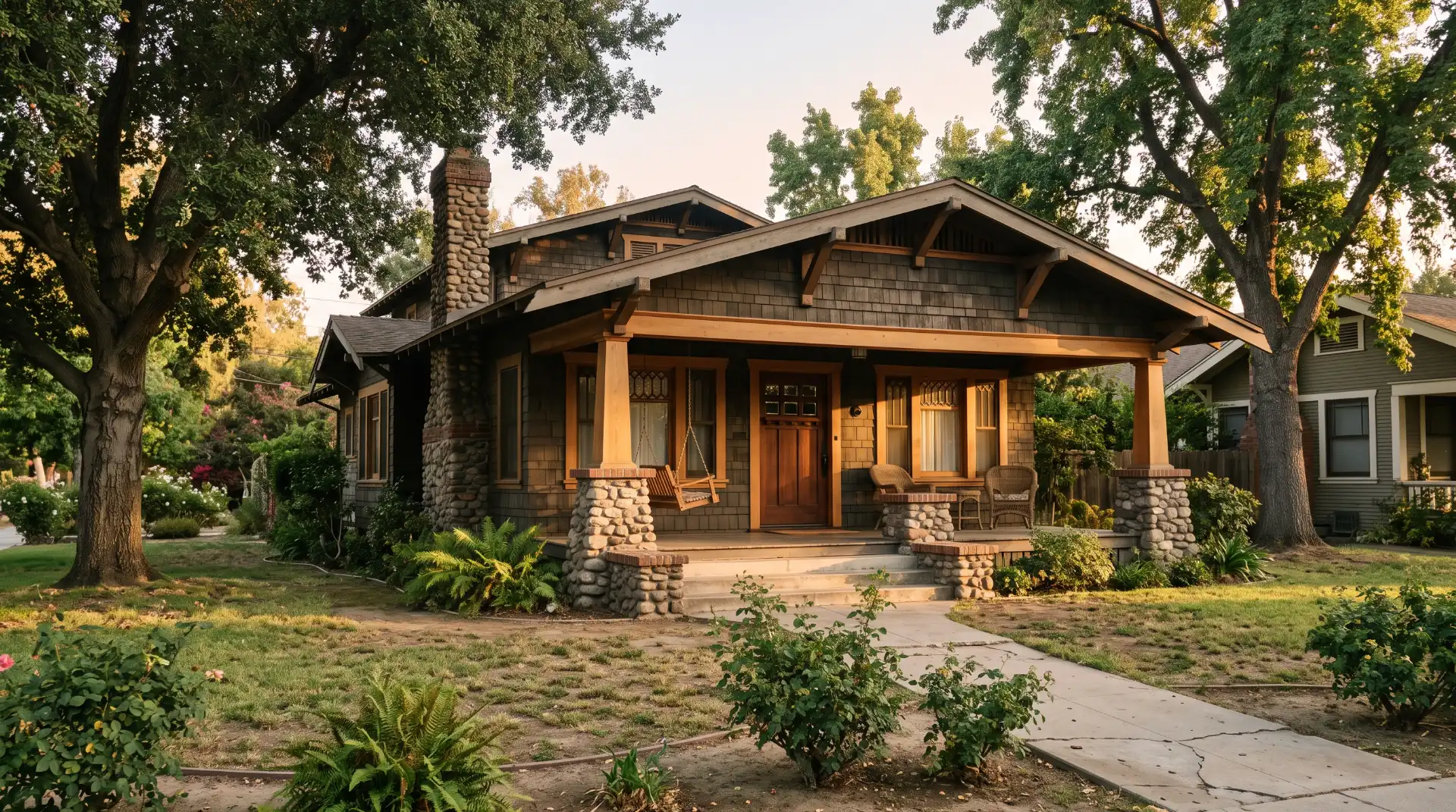
How Historic Citrus Avenue Is Changing While Preserving Downtown Covina’s Character
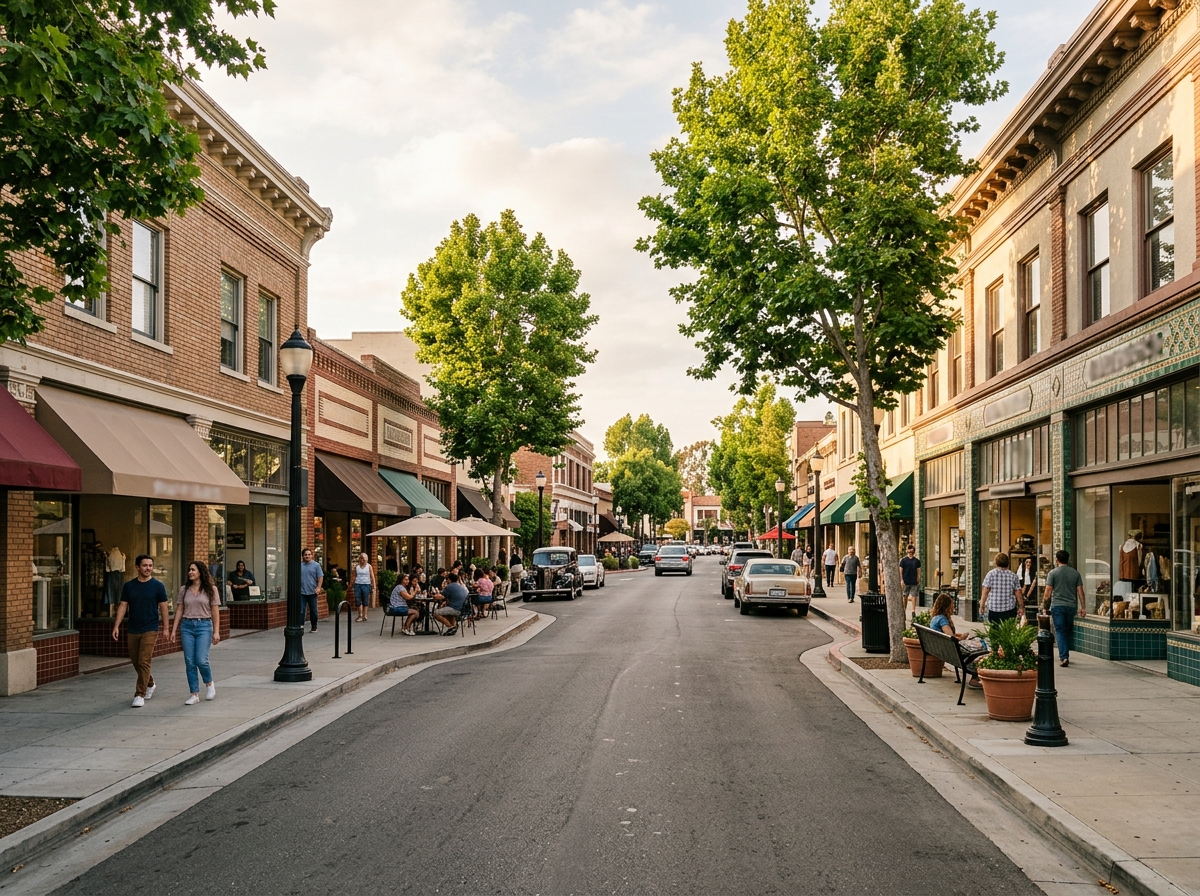
Historic Citrus Avenue remains one of the most recognizable parts of Covina. Its storefronts, pedestrian-scale blocks, civic buildings, restaurants, gathering
AN INDEPENDENT LOCAL HISTORY JOURNAL
Explore the people, streets, citrus-era stories, buildings, photographs, and changes that shaped Covina and continue to shape its historic core.
START WITH A PLACE
Use the site like a field guide. Begin with the historic core, trace the agricultural economy that shaped the valley, or follow the people and institutions that carried Covina into the modern era.
PLACES
Historic streets, buildings, civic landmarks, and the changing character of the Citrus Avenue district.
ECONOMY
Orchards, packing, irrigation, rail connections, and the agricultural story behind Covina’s growth.
COMMUNITY
Profiles, institutions, family stories, community memory, and the everyday history of Covina.
A CITY IN LAYERS
Covina’s story connects agriculture, rail, civic institutions, neighborhood growth, and today’s preservation-minded town center planning. The site separates documented history from present-day change so readers can see where the layers meet.
Town formation, settlement, irrigation, rail access, and early commercial growth.
Civic buildings, citrus commerce, a growing downtown, and community institutions.
Suburban expansion, mobility, new housing, and a broader San Gabriel Valley identity.
Historic-character preservation alongside transit, public-space, and downtown redevelopment initiatives.
THEN AND NOW
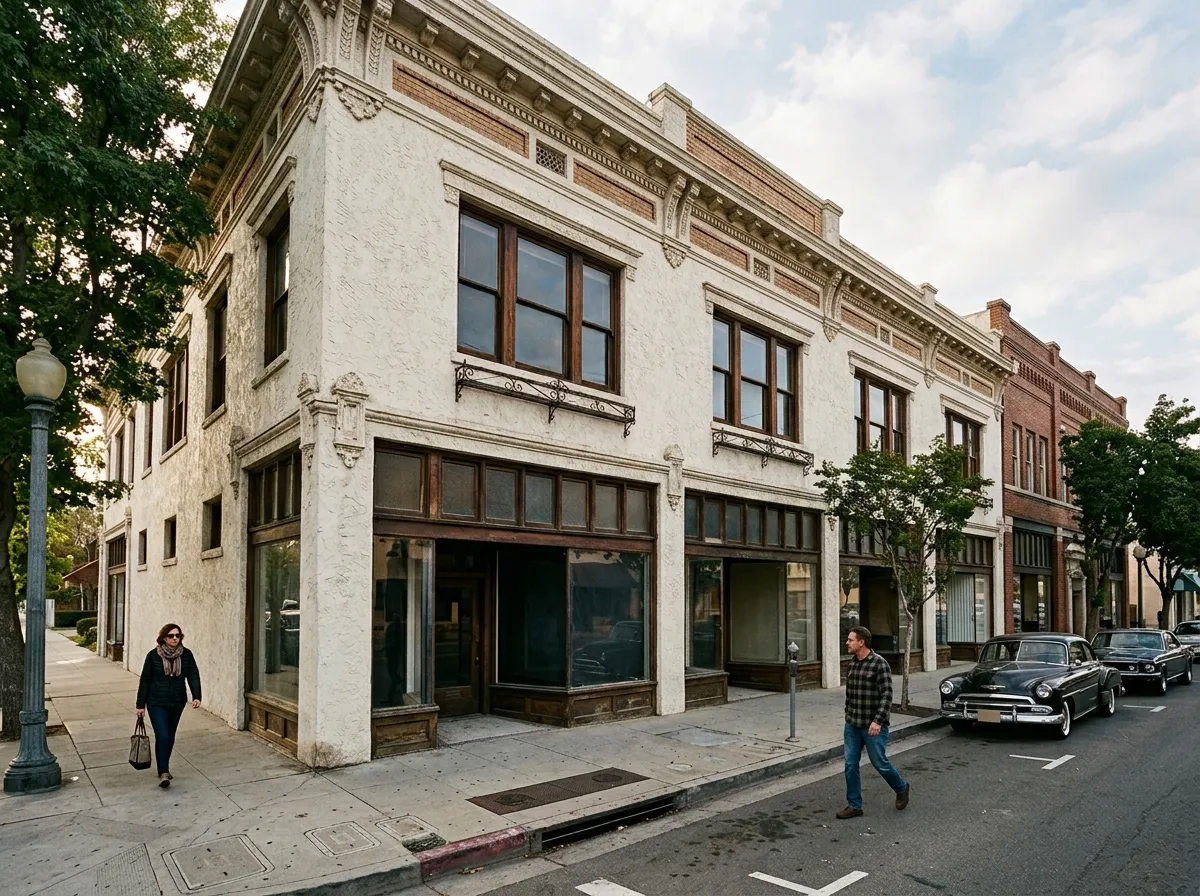
Covina’s official planning material identifies the Citrus Avenue District as the city’s historic downtown and central core. Covina History can turn that planning context into accessible stories about buildings, blocks, public spaces, and change over time.
HISTORY MEETS CHANGE
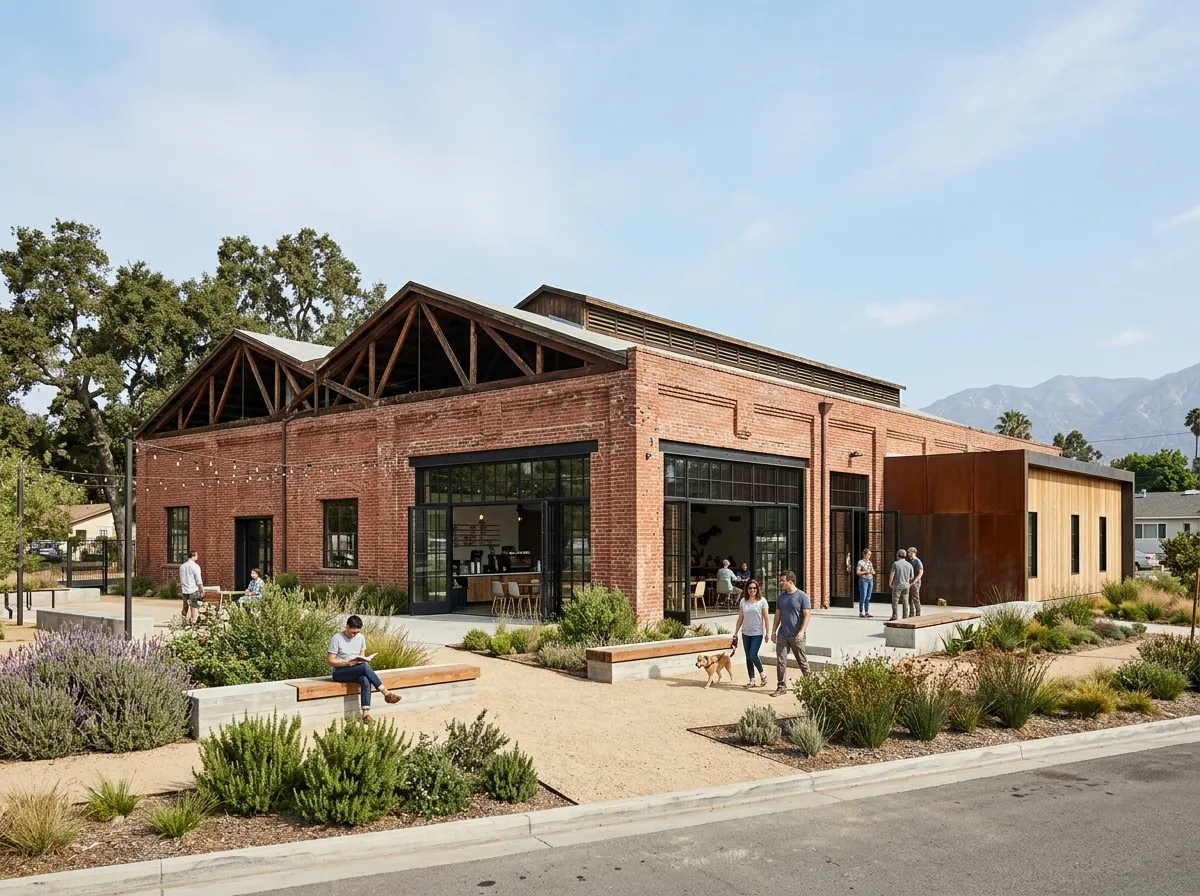
Current city materials describe the Covina Recreation Village as an adaptive reuse of a former citrus packinghouse site, with public recreational and library uses planned for late 2026. A separate downtown pedestrian bridge concept was in feasibility planning in 2026. Coverage here should clearly distinguish documented history, approved work, active construction, and concepts still under study.
Conceptual visualization, not an official rendering.
FROM THE ARCHIVE

Historic Citrus Avenue remains one of the most recognizable parts of Covina. Its storefronts, pedestrian-scale blocks, civic buildings, restaurants, gathering

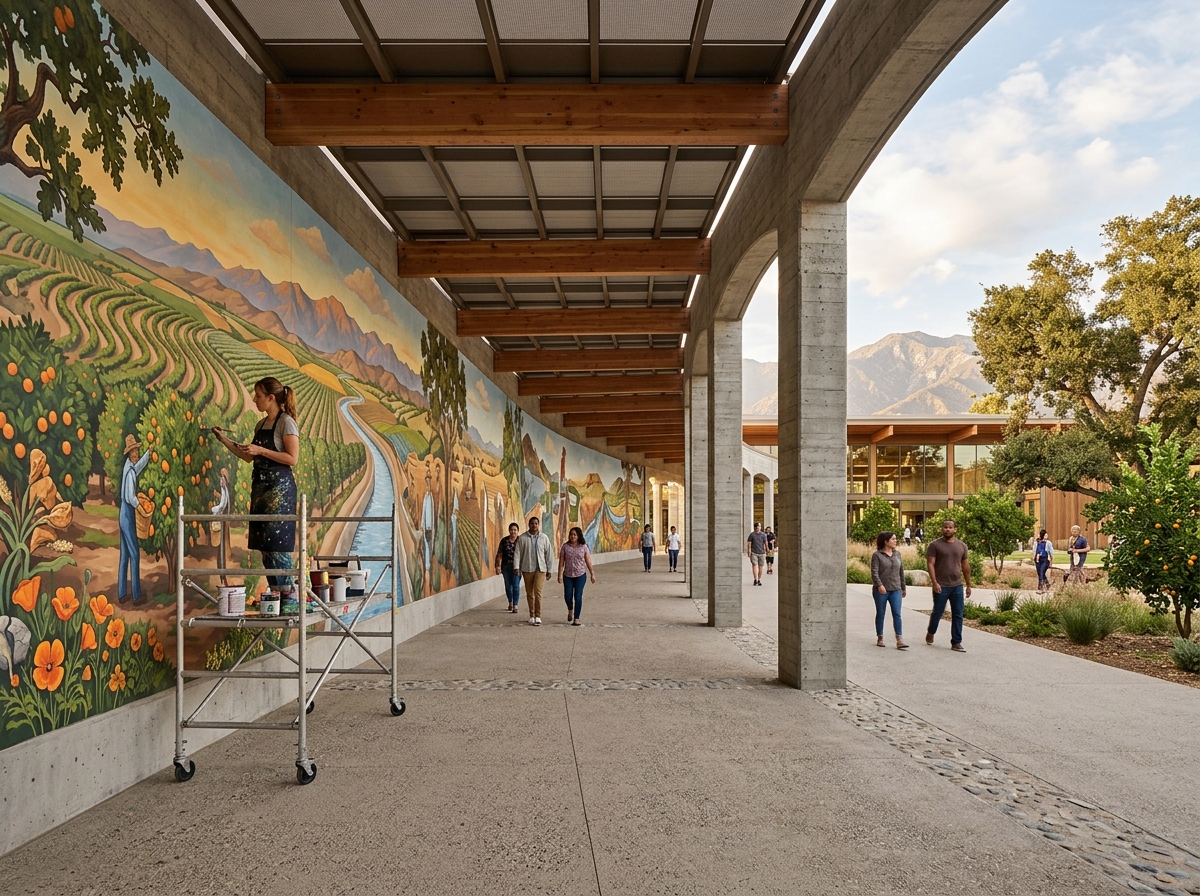
Public art can turn an ordinary wall into a place where residents stop, look, and learn. That is the idea
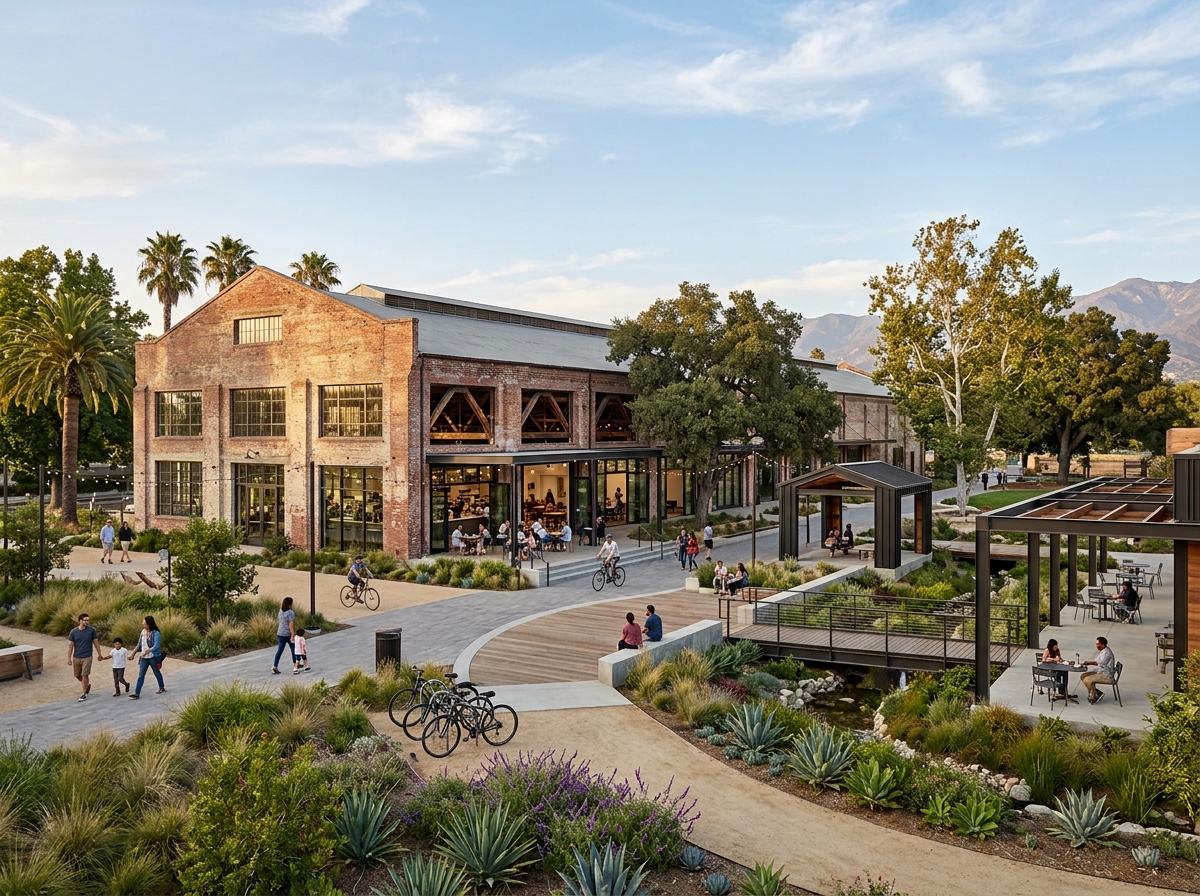
Covina’s landscape has changed dramatically since citrus orchards and packing facilities played a major role in the local economy. One
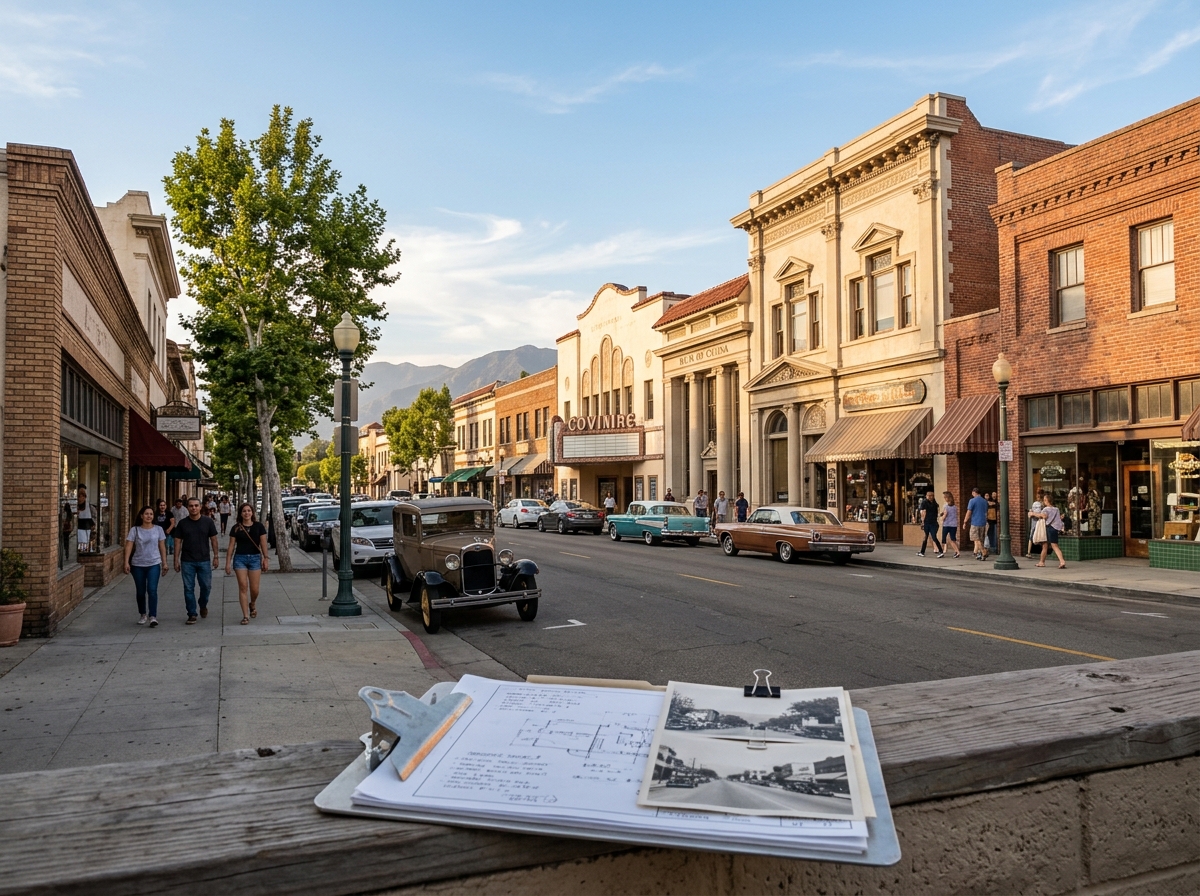
Some of Covina’s most valuable historical records are not old photographs or handwritten letters. They are surveys that document buildings,
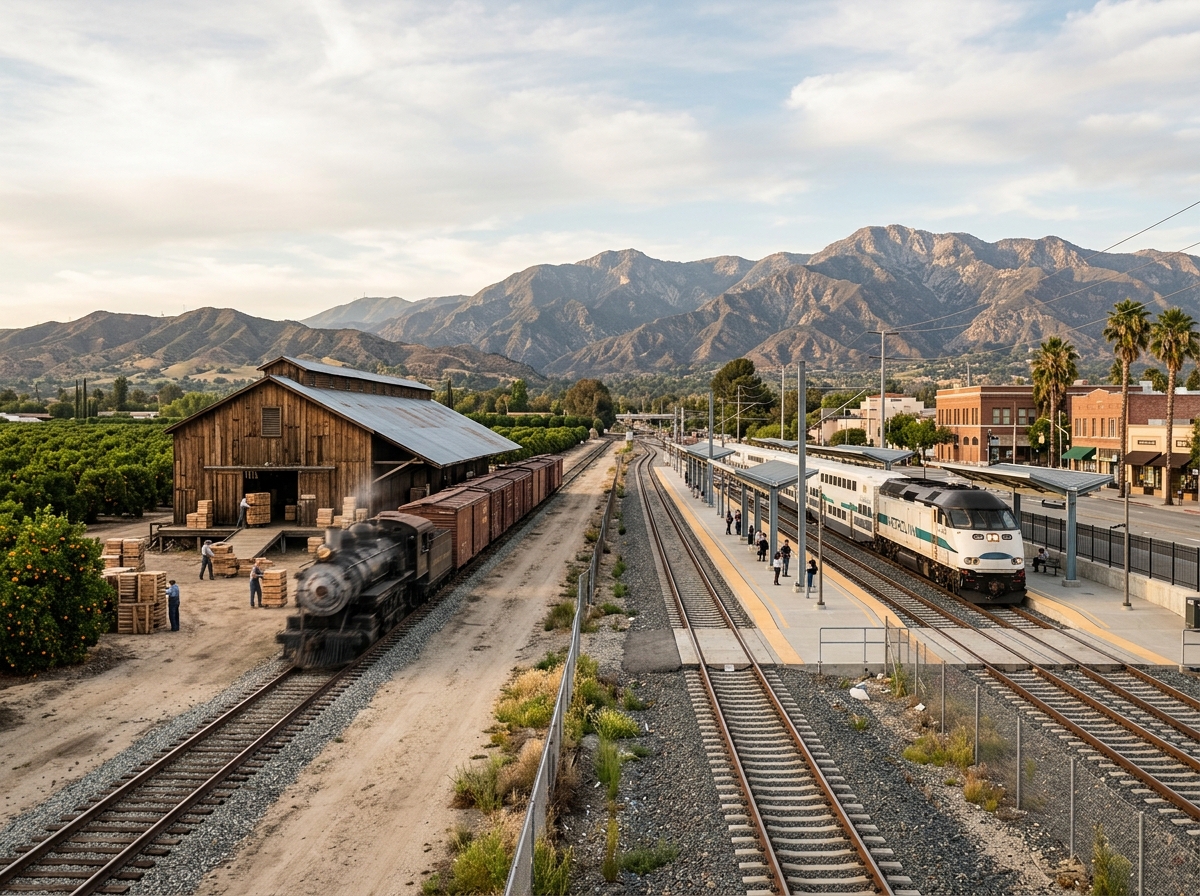
Transportation has influenced Covina almost from the beginning. Long before commuters boarded Metrolink trains on North Citrus Avenue, local residents

Covina has never been a city that stayed exactly the same. What began as a small agricultural community in the
Covina History is an independent editorial website. It is not affiliated with the City of Covina, Los Angeles County, any government agency, or the Covina Valley Historical Society. Official agencies and historical organizations are cited as sources when relevant.